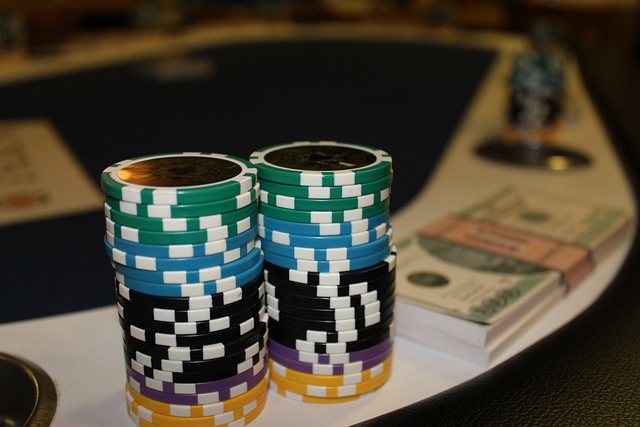
Poker sits in a unique space between gambling and strategy. Short sessions can feel completely driven by luck, while long-term results clearly separate winning players from losing ones. This tension is why poker is often misunderstood by both casual players and critics.
To understand what actually determines poker results, you need to separate short-term outcomes from long-term performance. This article breaks down how skill and luck interact, where each dominates, and how players should adjust expectations and strategy accordingly.
How Luck Operates in Poker
Luck in poker comes from incomplete information and random card distribution. You cannot control which cards you are dealt or which cards appear on the board. This randomness directly affects individual hands and short sessions.
In the short term, luck dominates outcomes. A weaker player can win a session or tournament simply by running well. This is not an exception—it is a structural feature of the game.
Luck ensures variance, which is why poker remains playable for recreational players.
Short-Term Variance Explained
Variance refers to the natural swings caused by randomness. Even perfect decisions can lose money over small samples.
A player can make correct plays repeatedly and still experience losing streaks. This does not invalidate the strategy; it reflects statistical reality.
Understanding variance prevents emotional decision-making.
Where Skill Actually Matters
Skill determines how well a player navigates incomplete information over thousands of hands. It influences decision quality, bet sizing, hand selection, and opponent exploitation.
Unlike luck, skill compounds over time. Small edges applied consistently lead to measurable long-term profit.
This is why poker outcomes converge toward skill as sample size increases.
Core Skill Factors
Key skill components include:
- Starting hand selection
- Position awareness
- Bet sizing and pressure
- Reading opponent tendencies
- Managing tilt and discipline
None of these affect a single hand reliably. Together, they define long-term results.
Time Horizon Changes Everything
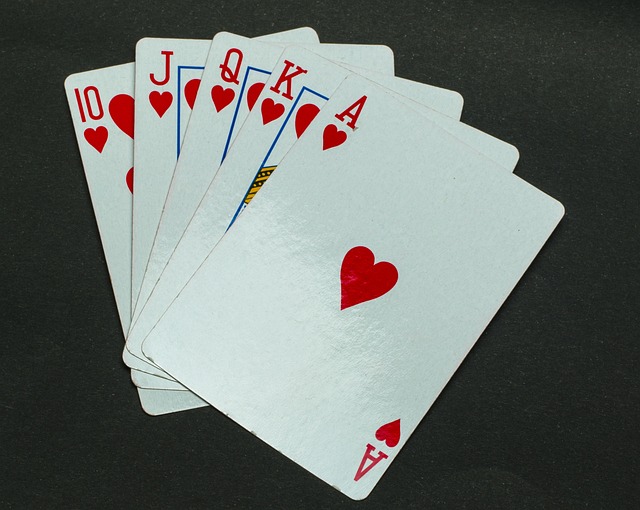
Whether poker feels like luck or skill depends almost entirely on timeframe. The shorter the timeframe, the more luck dominates.
In tournaments, variance is amplified because payouts are top-heavy. In cash games, long-term edges appear more clearly.
Players who misunderstand time horizons often misjudge their own ability.
Skill vs Luck by Format
| Format | Luck Influence | Skill Influence |
|---|---|---|
| Single session | Very high | Low |
| Small tournaments | High | Medium |
| Large sample cash play | Low | High |
| Long-term career | Minimal | Dominant |
This distinction explains why results fluctuate even for strong players.
Common Misconceptions About Poker Outcomes
Many myths persist because poker outcomes are emotionally charged. Wins feel earned, losses feel unfair.
These beliefs distort learning and slow improvement.
Common misconceptions include:
- Winning sessions prove skill
- Losing streaks mean poor play
- Good players always win
- Luck “evens out” quickly
Each hand is independent, and convergence takes time.
Decision Quality vs Results
Poker rewards good decisions, not good outcomes. A correct decision can lose money, and a poor decision can win.
Evaluating play based on outcomes leads to flawed conclusions. Strong players focus on expected value, not immediate profit.
This mindset separates strategic play from emotional gambling.
Why Results-Oriented Thinking Is Dangerous
When players chase outcomes, they abandon correct strategy under pressure. This increases losses during variance-heavy periods.
Separating decision quality from results improves both mental stability and long-term performance.
How Winning Players Manage the Balance

Successful players accept luck as unavoidable and structure their play to survive it. Bankroll management is the primary defense against variance.
They also track performance over meaningful sample sizes. Decisions are reviewed independently of outcomes.
This approach turns randomness into noise rather than a threat.
Practical Rules of Thumb
- Judge performance over thousands of hands
- Use conservative bankroll guidelines
- Review decisions, not wins or losses
- Expect variance even when playing well
These habits allow skill to express itself over time.
So What Really Determines Poker Results?
Luck determines who wins today. Skill determines who wins over time.
Poker is neither pure gambling nor pure strategy. It is a probabilistic game where skill shifts odds, not certainty.
Players who respect both elements make better decisions, avoid burnout, and improve steadily. Understanding this balance is the foundation of realistic, profitable poker play.